
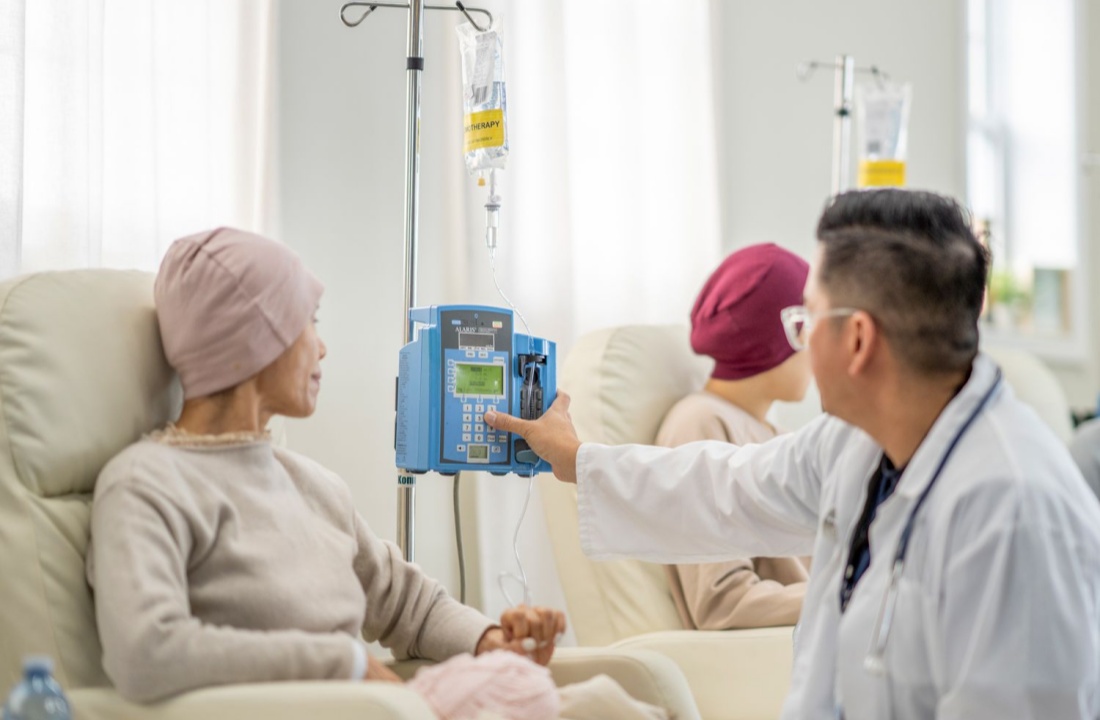
At its core, targeted therapy involves the use of drugs that specifically target the molecular changes in cancer cells. These changes can include mutations or specific proteins that drive cancer growth. By honing in on these unique aspects, targeted therapies can disrupt the cancer’s ability to grow and spread without harming normal, healthy cells. This precision reduces side effects and improves the overall quality of life for patients.
One of the most notable advantages of targeted therapy is its ability to adapt to the individual patient’s cancer profile. Each tumor has its unique genetic makeup, and targeted therapies can be tailored to address these specific alterations. For instance, some therapies are designed to inhibit certain proteins that are overactive in cancer cells, effectively slowing down or stopping tumor growth. This personalized approach often leads to better outcomes and can make a significant difference in the treatment journey.
Patients often wonder about the various types of targeted therapies available. These can range from small molecule drugs that penetrate cancer cells to monoclonal antibodies that bind to specific targets on the surface of cancer cells. Immunotherapy, which harnesses the body’s immune system to fight cancer, can also be considered a form of targeted therapy. Each type has its unique mechanism of action, and the choice depends on the specific cancer type and its genetic characteristics.
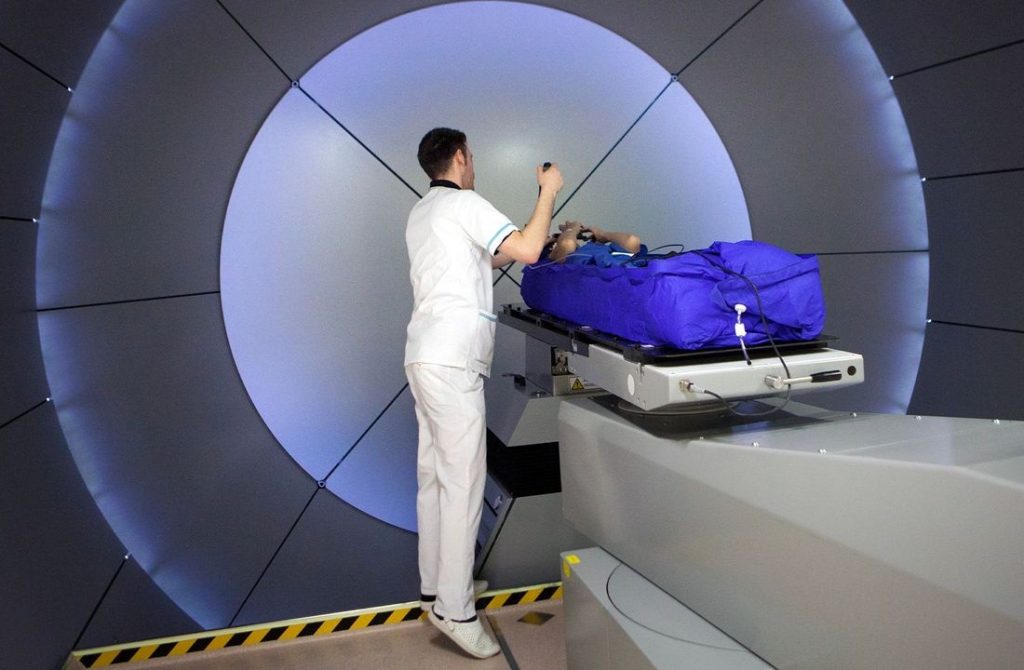
Accessing targeted therapy typically involves a thorough diagnostic process. Genetic testing of the tumor can uncover the specific mutations present, guiding oncologists in selecting the most effective treatment. This step is vital, as not all cancers will respond to every targeted therapy. Staying informed about the latest advancements in genetic testing can empower patients to engage in discussions with their healthcare providers about the best options available.
Patients often have questions about the side effects associated with targeted therapy. While the side effects tend to be milder than those of traditional chemotherapy, they can still occur. Common side effects include fatigue, skin rashes, and gastrointestinal issues. Open communication with healthcare providers helps manage these effects and ensures that patients receive the support they need throughout their treatment.
As research continues to evolve, the landscape of targeted therapy is expanding. New drugs and combinations are being developed, showing promise in treating various cancer types. Staying updated on these advancements can provide hope and options for patients who may have exhausted traditional treatment avenues.
Navigating the world of targeted therapy can feel overwhelming, but understanding its principles and benefits can make a significant difference. Engaging with healthcare professionals, exploring genetic testing, and staying informed about new developments are essential steps in making empowered decisions. This approach not only enhances treatment effectiveness but also fosters a sense of control during a challenging time.