
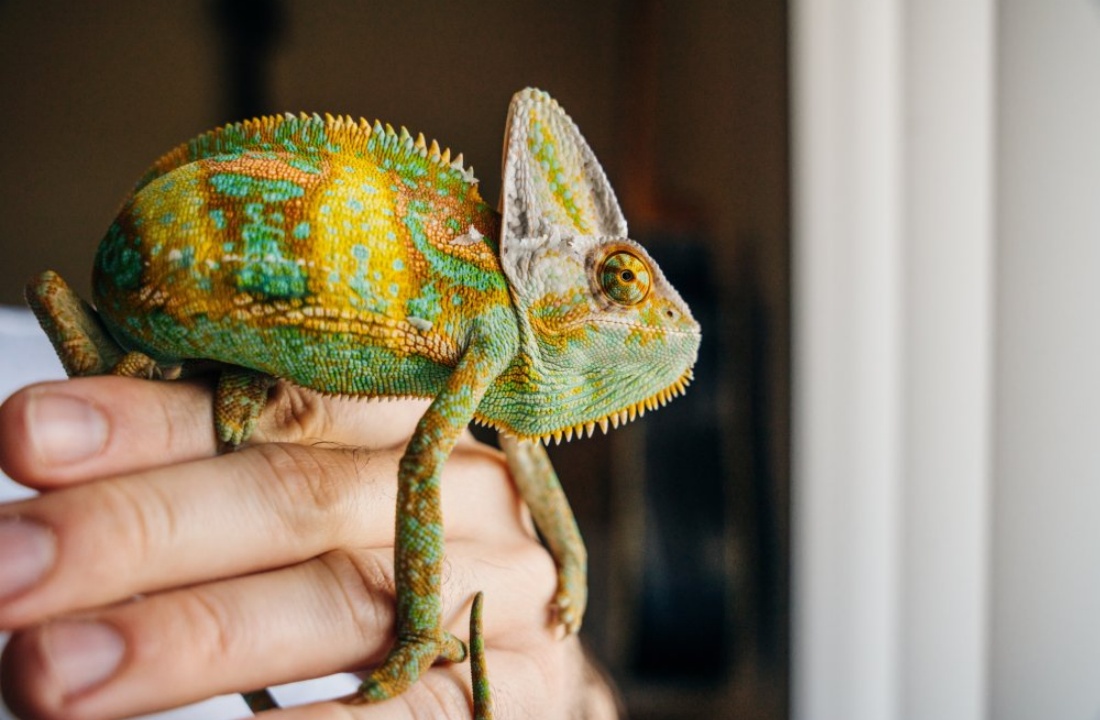
Research is key. Different exotic pets have varying needs in terms of habitat, diet, and care. For instance, reptiles like bearded dragons require specific temperature and humidity levels to thrive, while small mammals like sugar gliders need a diet rich in fruits and insects. Understanding these requirements is crucial before making a commitment. It’s not just about picking the cutest animal; it’s about ensuring you can provide the right environment for them.
Another important factor is the lifespan of the pet. Many exotic animals can live for a long time. For example, tortoises can live for decades, while some parrots may outlive their owners. Committing to an exotic pet means being prepared for a long-term relationship. Consider your future plans and whether you can provide a stable home for your new friend.
Social needs also play a significant role in choosing an exotic pet. Some species, like ferrets or parakeets, are social animals that thrive on interaction with their owners or other pets. Others, like certain reptiles, are more solitary and may not require as much social interaction. Think about how much time you can dedicate to your pet’s social needs. A lonely pet can become stressed or develop behavioral issues, so finding a species that fits your lifestyle is important.

Cost is another consideration. Exotic pets can come with unexpected expenses, from specialized diets to habitat setups. Some species require specific lighting or heating equipment, which can add to the initial investment. Regular vet check-ups and potential medical emergencies also need to be factored into your budget. It’s wise to plan ahead and ensure you can afford the ongoing costs associated with your chosen pet.
Finding a reputable source is crucial when adopting an exotic pet. Always look for breeders or rescue organizations that prioritize the health and well-being of their animals. Avoid purchasing from pet stores that may not provide the best care for their animals. A responsible breeder will be knowledgeable about the species and provide you with necessary information regarding care and health.
Consider the space you have available. Some exotic pets, like large snakes or iguanas, need ample space to roam and thrive. Make sure your living situation can accommodate the pet you choose. A cramped environment can lead to stress and health issues for the animal.
Choosing an exotic pet can be a rewarding experience filled with unique companionship. By doing thorough research, considering your lifestyle, and preparing for the responsibilities involved, you can find the perfect exotic pet that fits seamlessly into your life. Embrace the journey, and enjoy the wonderful bond that comes with having a unique companion.