
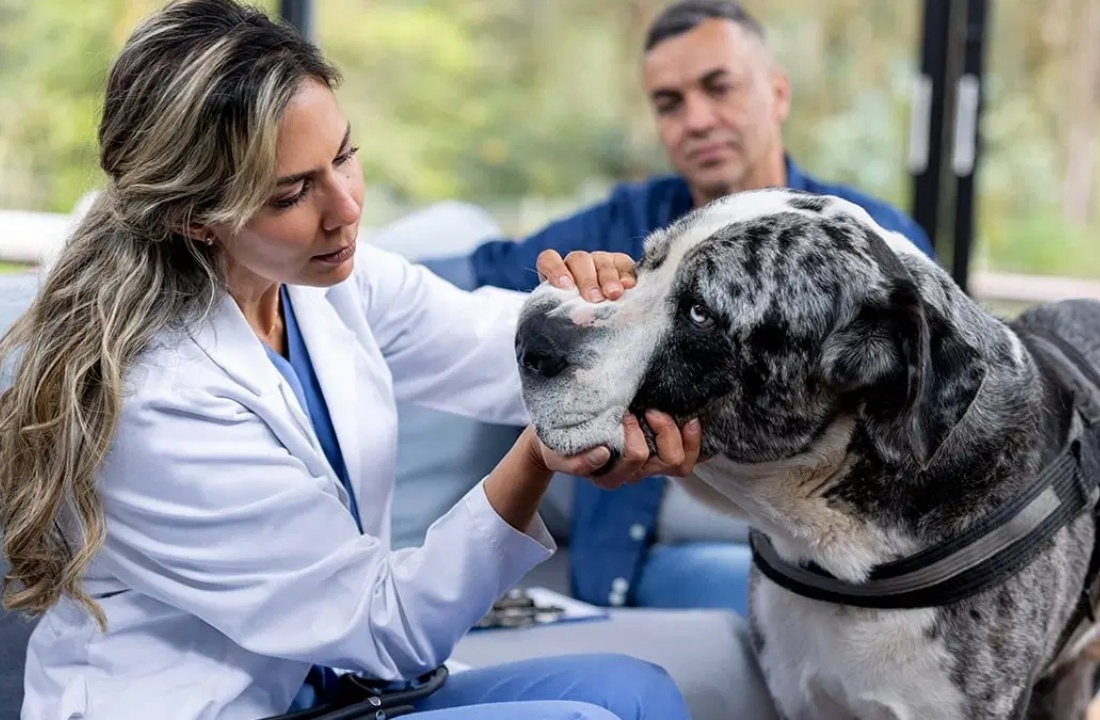
Genetic diseases are conditions that can be inherited from a pet’s parents. Breeds like Bulldogs, Dachshunds, and German Shepherds are known for having specific genetic predispositions to certain health issues. For example, Bulldogs are prone to breathing problems, while German Shepherds may develop hip dysplasia. Because of these known risks, it’s essential to check whether your pet insurance covers hereditary conditions. Some policies might exclude them entirely, while others may have specific terms that dictate how and when these conditions are covered.
When you’re shopping for pet insurance, take the time to read the fine print regarding genetic conditions. Some insurers may cover hereditary diseases but impose waiting periods or require you to pay a higher premium. If you have a breed that is known to be prone to certain conditions, it’s wise to choose a plan that offers comprehensive coverage for those specific issues. This way, you can avoid hefty out-of-pocket expenses if your pet needs treatment down the line.
Another important aspect to consider is how pre-existing conditions are treated. If your pet has a genetic condition that shows symptoms before you purchase insurance, many companies will classify it as a pre-existing condition and won’t cover it. This can lead to significant financial strain if your pet needs ongoing care. It’s essential to disclose any existing health issues when applying for insurance, as failing to do so could result in denied claims later on.
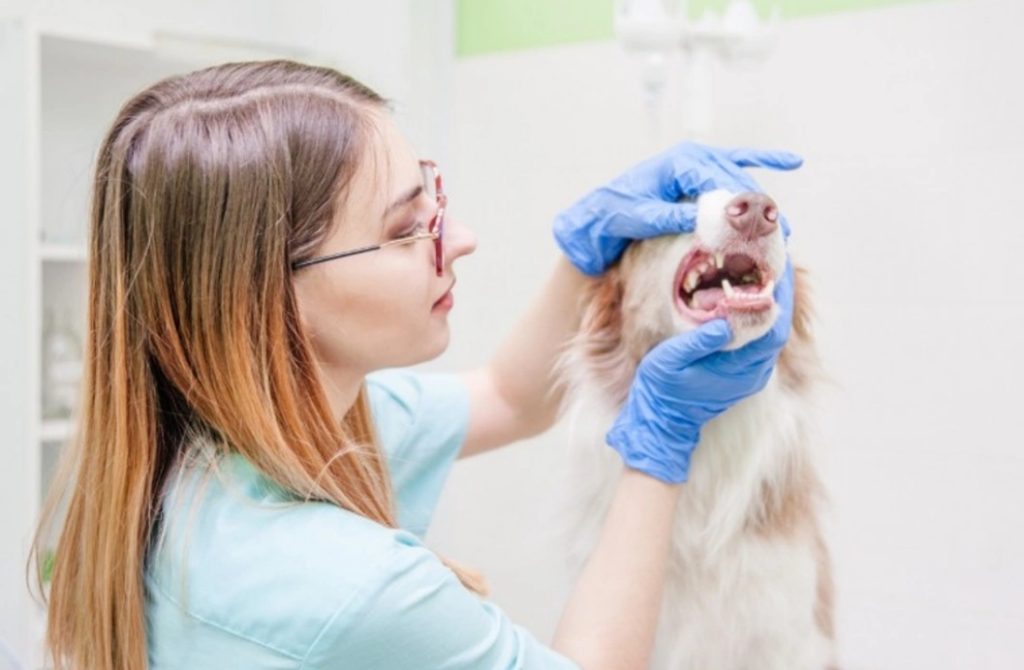
Customer reviews can also provide valuable insights into how different insurance companies handle claims related to genetic diseases. Some companies may have a reputation for being more lenient or understanding when it comes to hereditary conditions, while others may be known for their strict policies. Doing your homework and asking fellow pet owners for their experiences can guide you toward a provider that aligns with your needs.
Consider the overall coverage limits of the policy. Some plans may have caps on how much they will pay out for specific conditions, including genetic diseases. If your pet develops a serious hereditary issue that requires extensive treatment, a low coverage limit could leave you with a significant bill. Make sure to choose a plan that offers adequate coverage for the potential health issues your pet might face.
Keep in mind that while having pet insurance can provide peace of mind, it’s not a substitute for regular veterinary care. Routine check-ups can help catch potential genetic issues early, making treatment more manageable and less expensive. Building a good relationship with your vet can be invaluable in ensuring your pet stays healthy.
Being proactive about understanding genetic disease clauses in pet insurance can make a world of difference for your pet’s health and your finances. Taking the time to research and choose the right policy can help you navigate the complexities of pet healthcare with confidence. After all, your furry friend deserves the best care possible, and being informed is the first step in ensuring they receive it.