

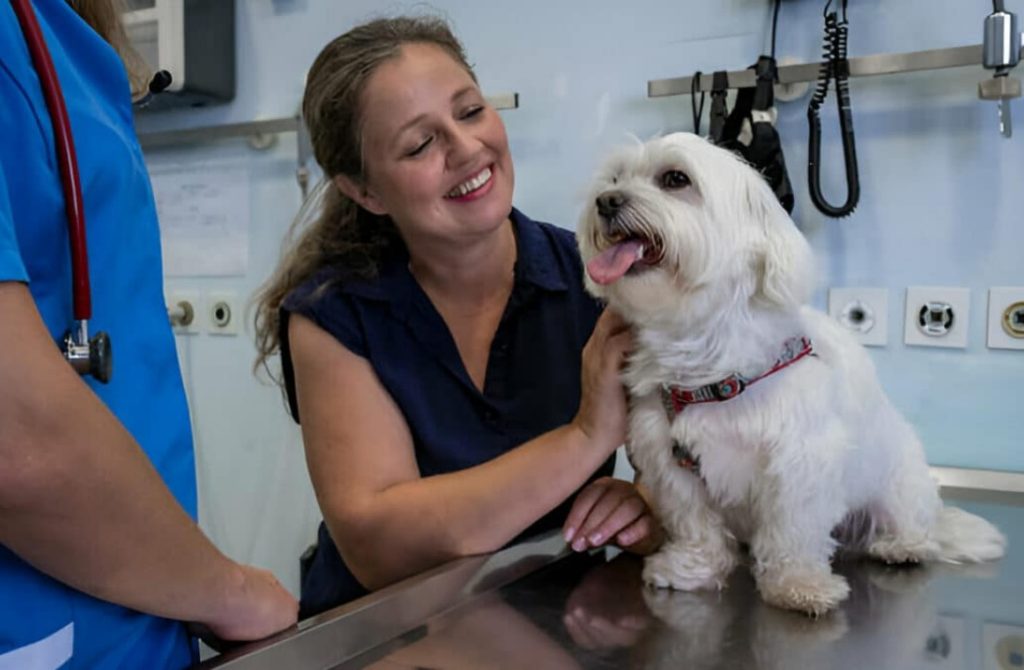
One of the first things to consider is regular vet check-ups. These visits are crucial for vaccinations, deworming, and overall health assessments. A veterinarian can spot early signs of illness that might go unnoticed by an untrained eye. Establishing a relationship with a vet early on creates a foundation for your puppy’s health that can last a lifetime. It’s a chance to ask questions and get tailored advice on nutrition, exercise, and socialization.
Another key aspect of health monitoring is keeping track of your puppy’s weight. Rapid growth is normal, but it’s easy for puppies to gain weight too quickly, leading to obesity-related issues down the line. Regular weigh-ins can help you ensure that your pup is on the right track. A balanced diet, suited to their age and breed, is essential, and your vet can provide guidance on portion sizes and feeding schedules.
Behavioral changes can also be indicators of health problems. Puppies are typically playful and energetic, so any sudden lethargy or changes in appetite can be a red flag. Paying attention to your puppy’s energy levels and habits helps identify potential issues early. Keeping a journal of their daily activities, eating habits, and bathroom routines can be beneficial. This information can provide valuable insights for your vet during appointments.
Dental health is another area that often gets overlooked. Puppies can start developing dental issues as early as six months. Regularly brushing their teeth and providing dental chew toys can help maintain their oral hygiene. Bad breath, swollen gums, or difficulty eating are signs that something might be wrong. Incorporating dental care into your puppy’s routine sets the stage for a lifetime of good oral health.
Socialization is also a critical part of a puppy’s health. Exposing them to various environments, people, and other animals helps them develop confidence and reduces anxiety. Monitoring their reactions during these interactions can provide insights into their emotional well-being. A well-socialized puppy is less likely to develop behavioral issues later in life.
Staying aware of any breed-specific health concerns is vital. Some breeds are predisposed to certain conditions, and being informed allows you to take preventive measures. Researching your puppy’s breed and discussing any concerns with your vet can help you stay ahead of potential health issues.
Monitoring your puppy’s health is a comprehensive effort that involves regular vet visits, attention to weight, behavior, dental care, and socialization. This proactive approach not only helps catch problems early but also fosters a strong bond between you and your puppy. By staying engaged and observant, you contribute to your puppy’s overall happiness and well-being.