
At its core, radiation therapy aims to damage the DNA of cancer cells, making it difficult for them to grow and multiply. This treatment can be used alone or in combination with other therapies like surgery or chemotherapy. The decision on the best approach usually depends on the type of cancer, its stage, and the overall health of the patient. Many oncologists will tailor a treatment plan that suits individual needs, ensuring that patients receive the most effective care possible.
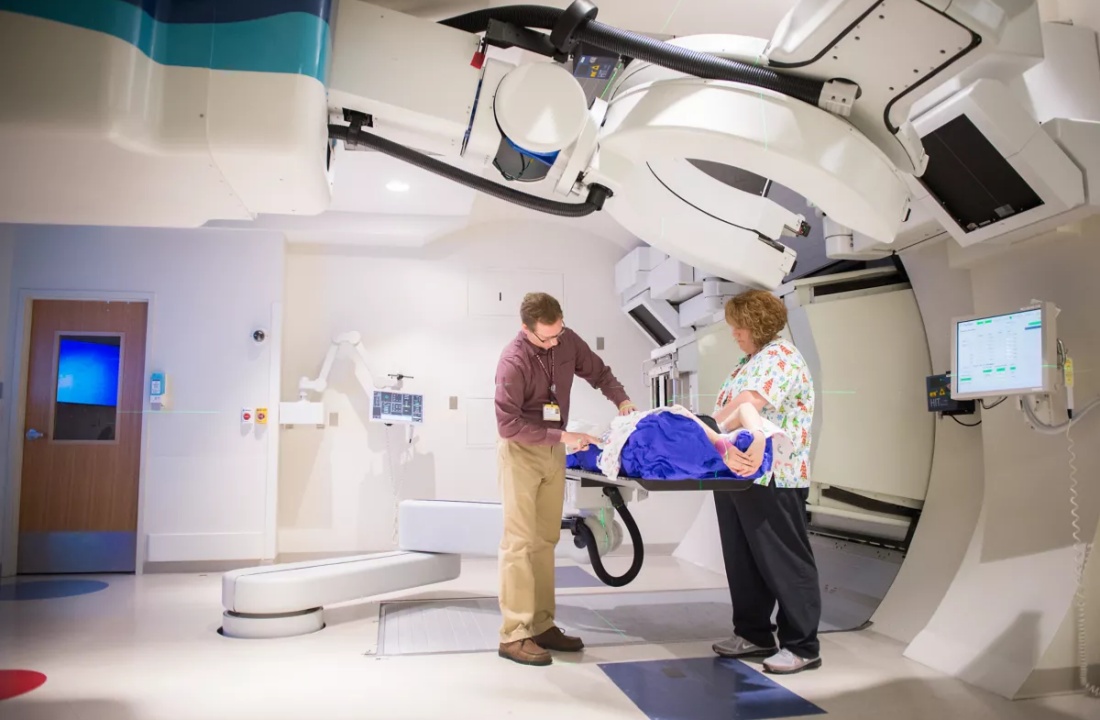
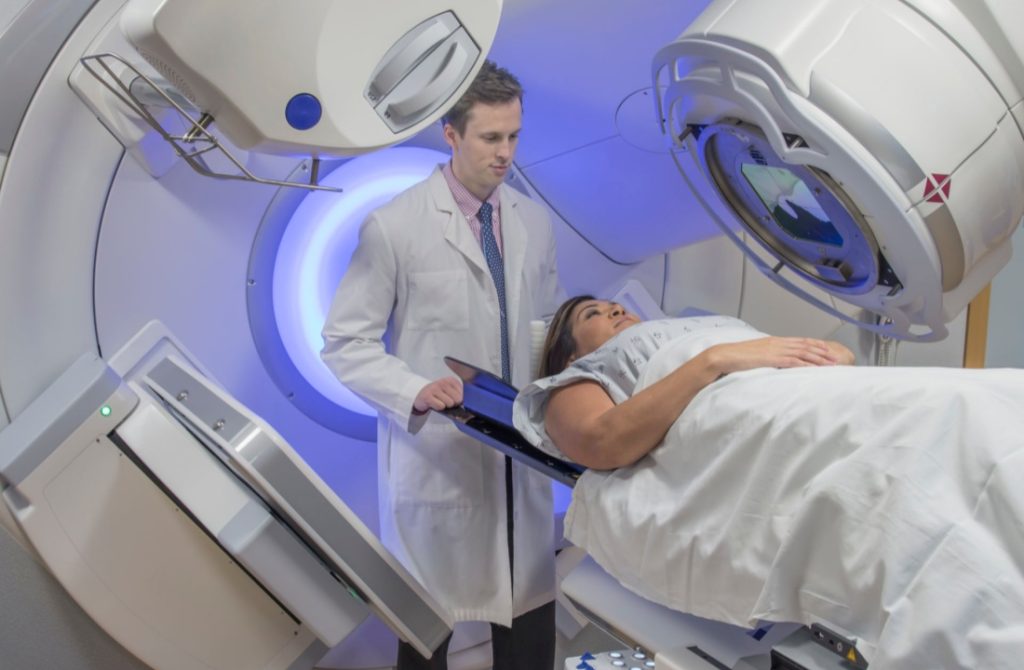
One of the most common forms of radiation therapy is external beam radiation. In this method, a machine directs high-energy beams at the tumor from outside the body. Patients typically lie on a treatment table while the machine is positioned to target the specific area. This process is painless and usually lasts only a few minutes per session, but it often requires multiple visits over several weeks. Understanding the schedule and what to expect during each visit can help ease any anxiety.
Another method is brachytherapy, which involves placing radioactive material inside or very close to the tumor. This approach allows for a higher dose of radiation to be delivered directly to the cancer cells while minimizing exposure to surrounding healthy tissue. Brachytherapy is often used for cancers of the prostate, cervix, and breast, among others. Discussing the benefits and risks of this method with a healthcare provider can help patients make informed decisions.
Side effects are a natural part of the treatment process. Common side effects of radiation therapy include fatigue, skin irritation, and changes in appetite. While these effects can vary from person to person, many find that they can manage them with the right support. Staying hydrated, eating nutritious foods, and getting plenty of rest can help mitigate some of the discomfort. It’s also essential to communicate openly with healthcare providers about any side effects experienced, as they may have recommendations for relief.
Support systems play a vital role during this time. Friends and family can provide emotional support, while support groups can connect patients with others facing similar challenges. Sharing experiences and coping strategies can be incredibly beneficial. Many hospitals and cancer centers offer resources to help patients navigate this journey, including counseling and educational materials.
As with any medical treatment, staying informed about radiation therapy can empower patients. Understanding the purpose of the treatment, the expected outcomes, and the potential side effects can help individuals approach their care with confidence. Engaging in discussions with healthcare providers and asking questions can lead to a better understanding of the process and a more comfortable experience.
Radiation therapy is a crucial option in the fight against cancer. By knowing what to expect and having a solid support system in place, patients can navigate this challenging journey with greater ease. Embracing the process and staying connected with loved ones can make a significant difference in managing the emotional and physical aspects of treatment.