
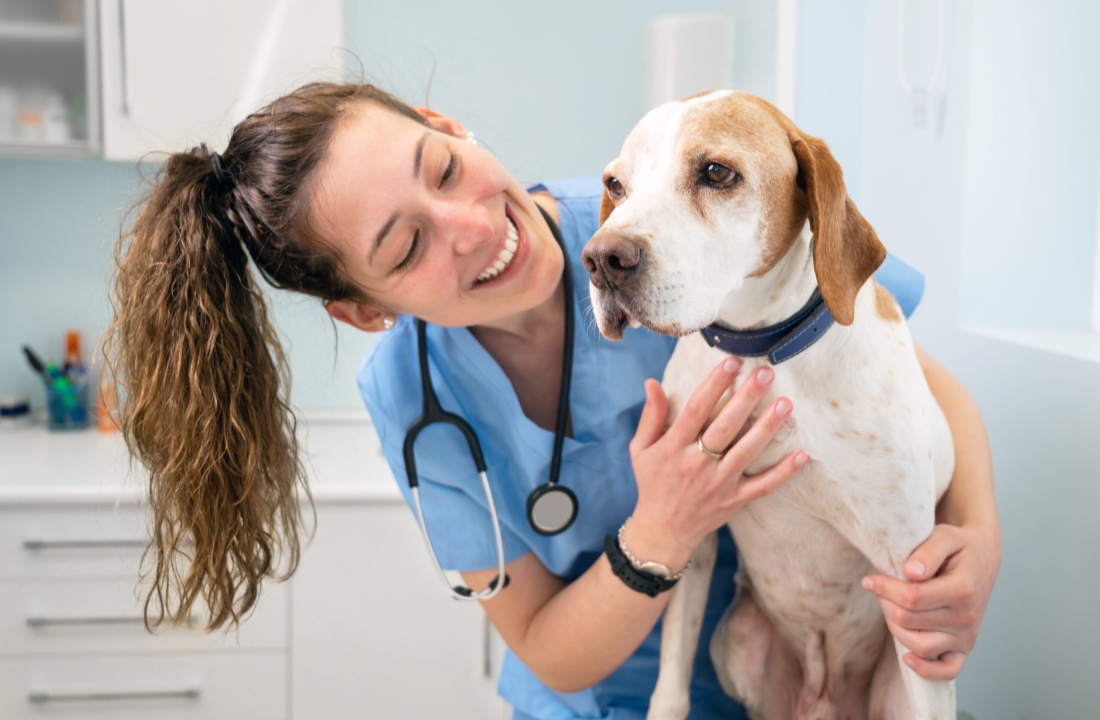
Starting with vaccinations, these shots are crucial for protecting your puppy from common diseases. Puppies are particularly vulnerable to illnesses like parvovirus and distemper, which can be severe and even fatal. Following a vaccination schedule recommended by your veterinarian helps ensure your puppy builds immunity at the right times. Keeping track of these appointments can prevent gaps in protection, giving you peace of mind as your puppy grows.
Regular vet check-ups are another essential part of preventive healthcare. These visits allow your veterinarian to monitor your puppy’s growth and development while also checking for any signs of health issues. During these appointments, your vet can provide guidance on nutrition, behavior, and training, helping you create a well-rounded plan for your puppy’s needs. Establishing a good relationship with your vet early on makes it easier to address any concerns that may arise in the future.
Parasite prevention is also a significant aspect of keeping your puppy healthy. Fleas, ticks, and worms can cause discomfort and serious health issues. Using preventive medications can help protect your puppy from these pests. Many options are available, and your veterinarian can recommend the best products based on your location and lifestyle. Regularly checking your puppy for signs of parasites, like itching or unusual behavior, is also key to catching any issues early.
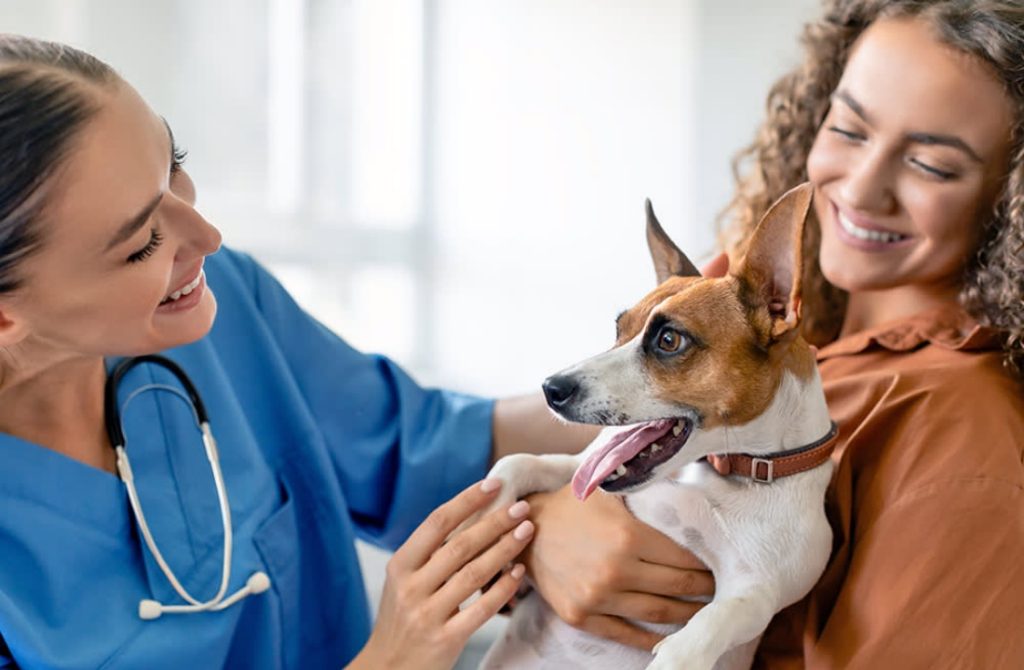
Dental health is often overlooked but plays a vital role in your puppy’s overall well-being. Starting a dental care routine early can help prevent plaque buildup and dental disease. Brushing your puppy’s teeth regularly and providing dental chews can make a big difference. Your vet can also offer advice on the best dental products for your puppy’s age and breed.
Nutrition is another critical component of preventive healthcare. Feeding your puppy a balanced diet tailored to their specific needs can promote healthy growth and development. High-quality puppy food contains the right mix of nutrients to support their energy levels and overall health. Consulting with your vet about your puppy’s dietary needs can help you make informed choices that benefit their long-term well-being.
Socialization and training are also essential elements of preventive healthcare. Exposing your puppy to various people, environments, and other animals helps them grow into a well-adjusted adult dog. Positive experiences during their early months can prevent behavioral issues later on. Enrolling in puppy classes can be a great way to ensure they receive proper socialization and training while also providing you with valuable insights into their behavior.
Keeping a close eye on your puppy’s behavior and health is vital. Any sudden changes, like a drop in energy or changes in appetite, should prompt a visit to the vet. Being proactive about your puppy’s health allows for early intervention, which can make a significant difference in treatment outcomes.
Planning for your puppy’s preventive healthcare is an investment in their future. By taking these steps, you’re not just ensuring they stay healthy; you’re also building a stronger bond and creating a happy, thriving companion for years to come.